



Pollenarium
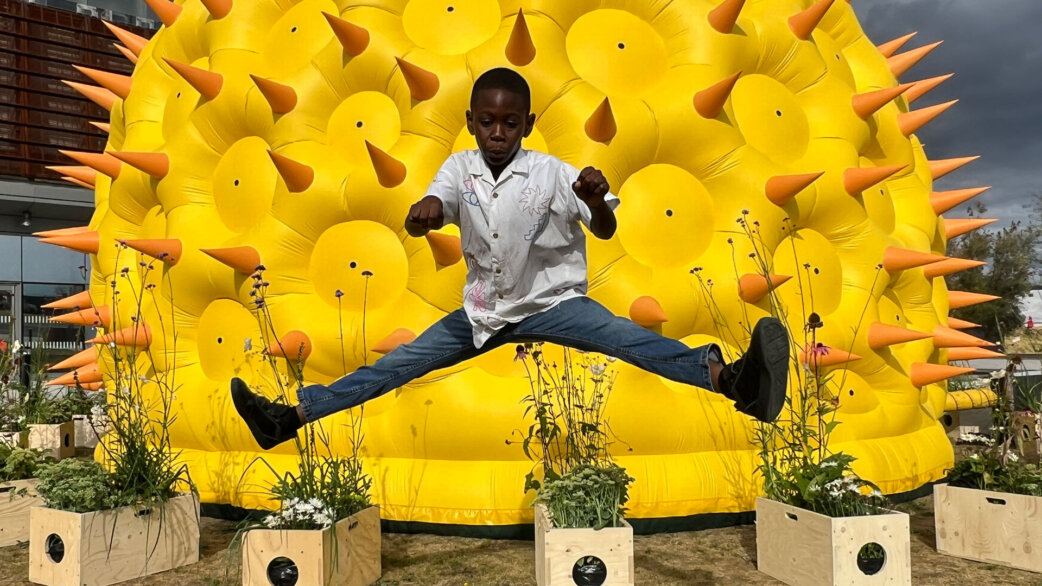
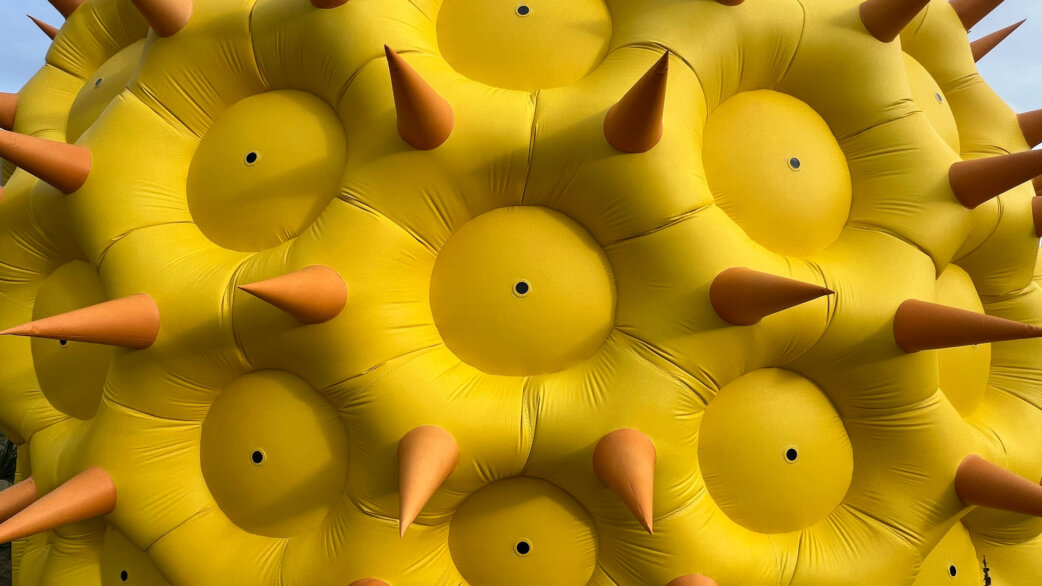
Pollenarium is a new artwork by Luke Jerram and US based Pneuhau
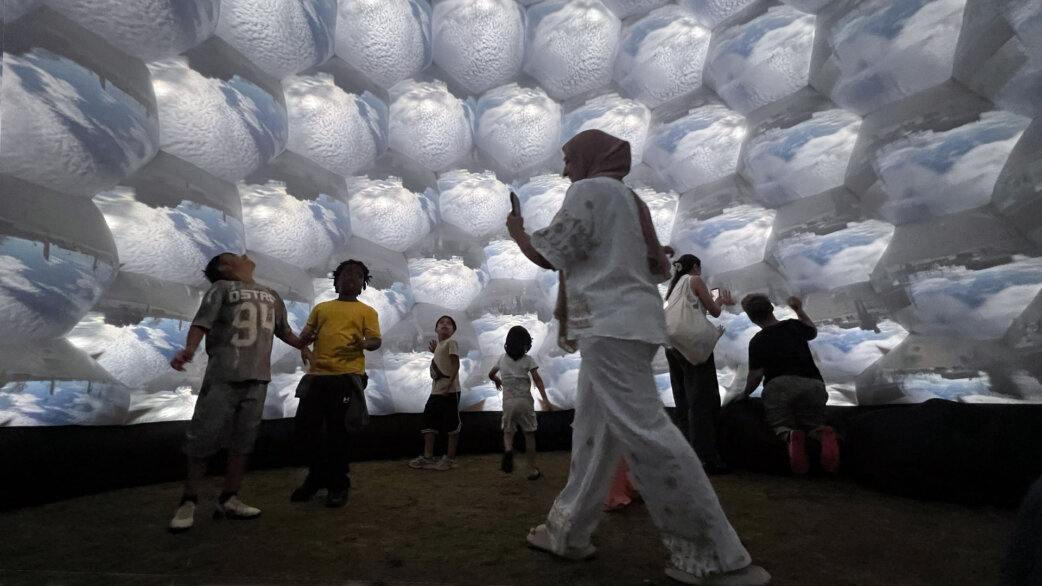
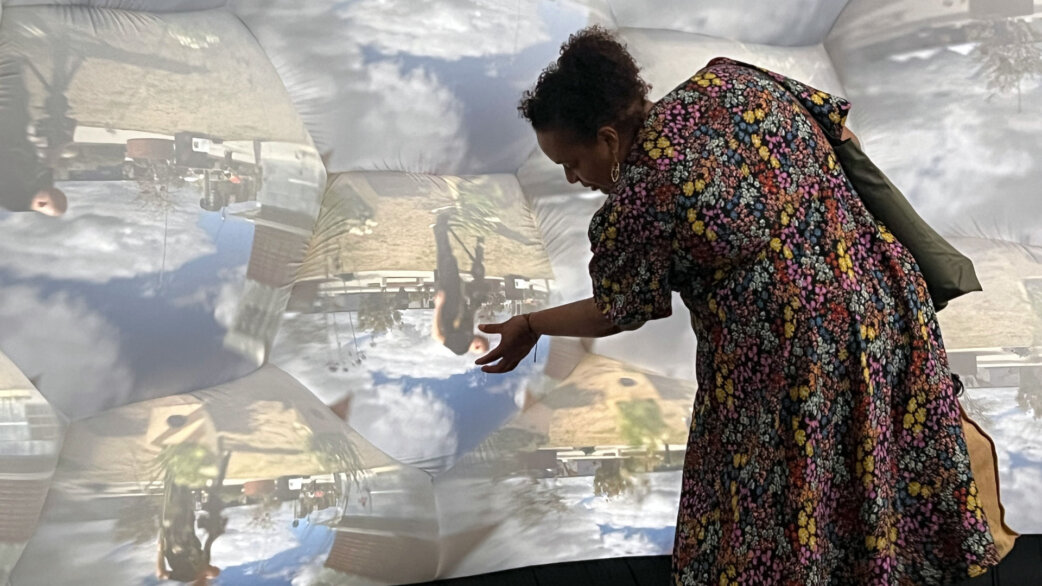
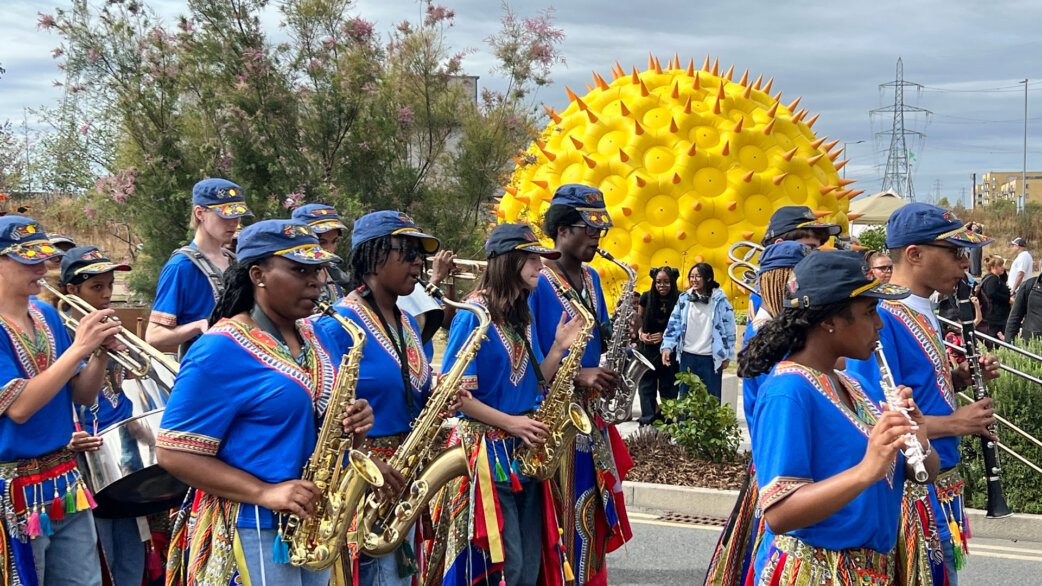
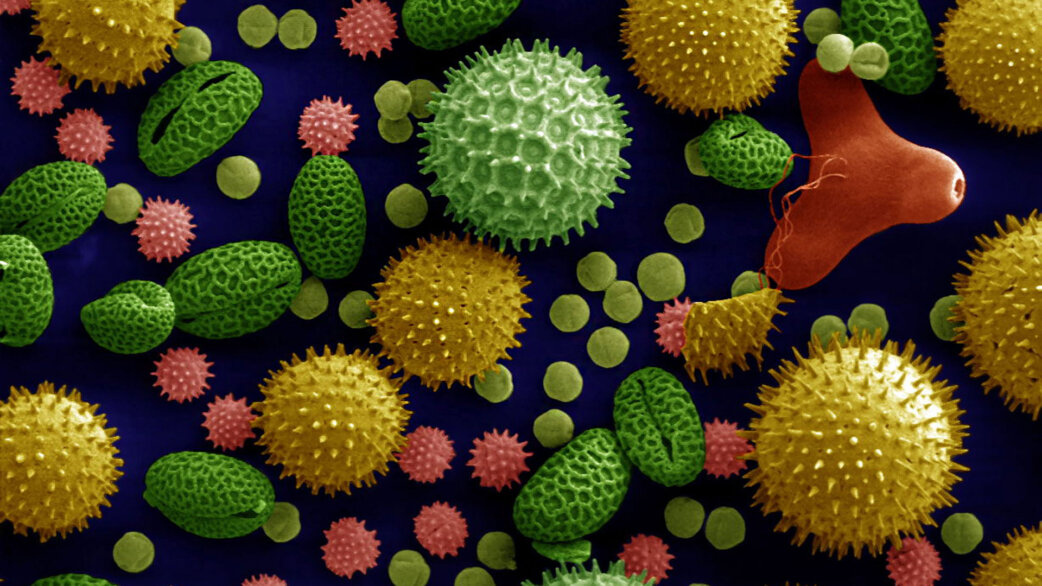
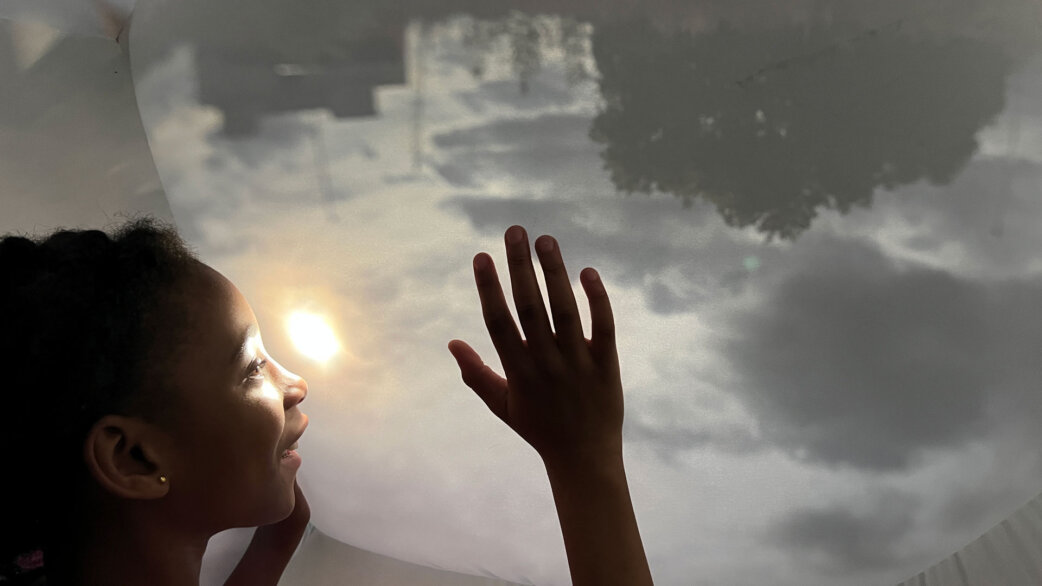
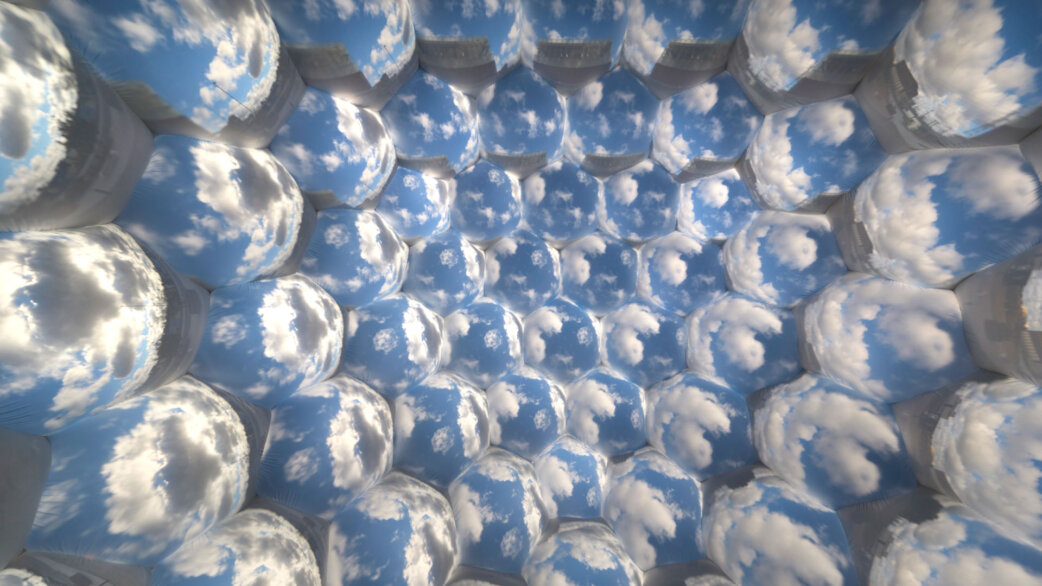
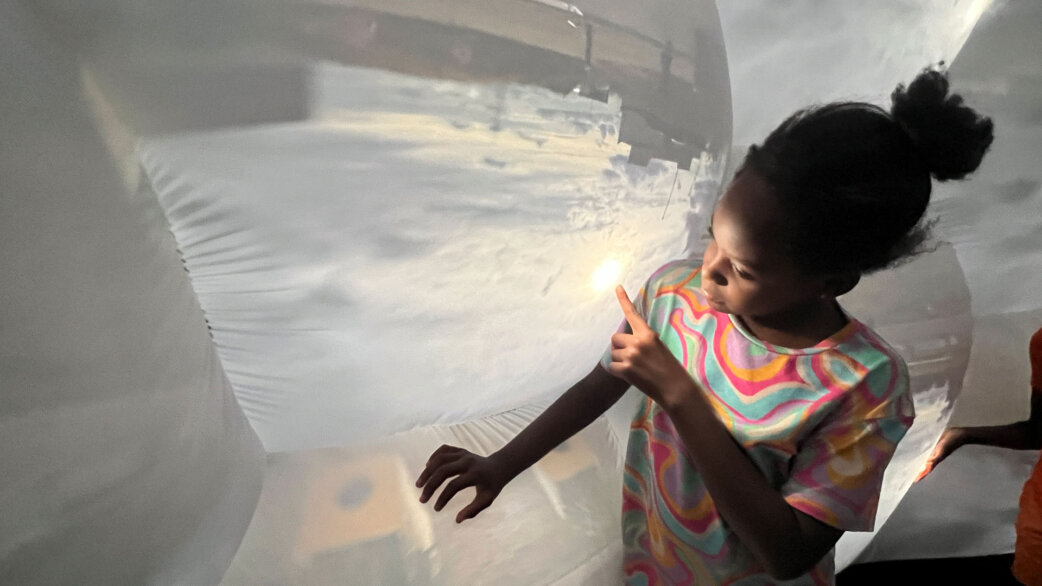
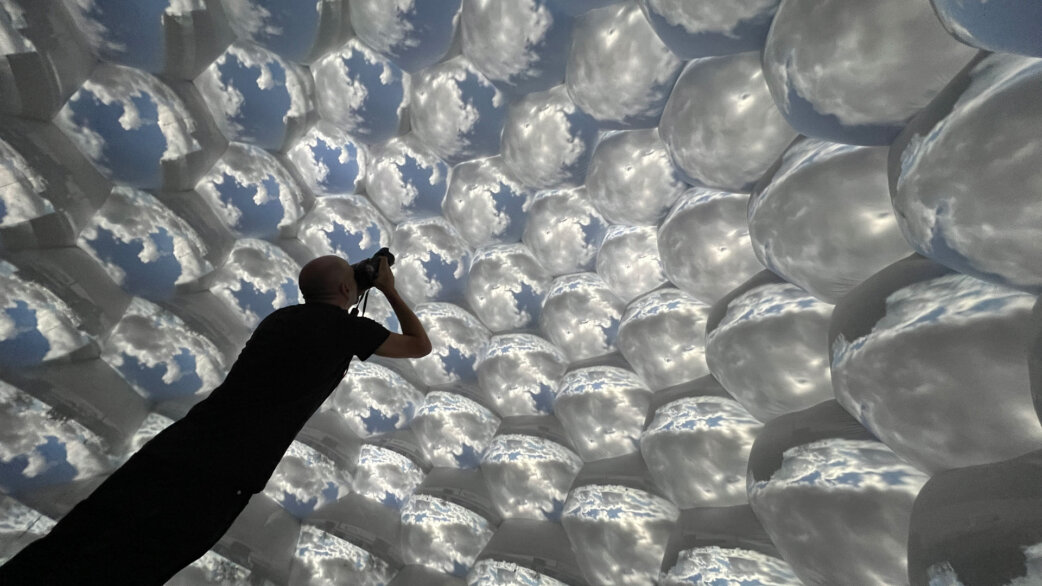
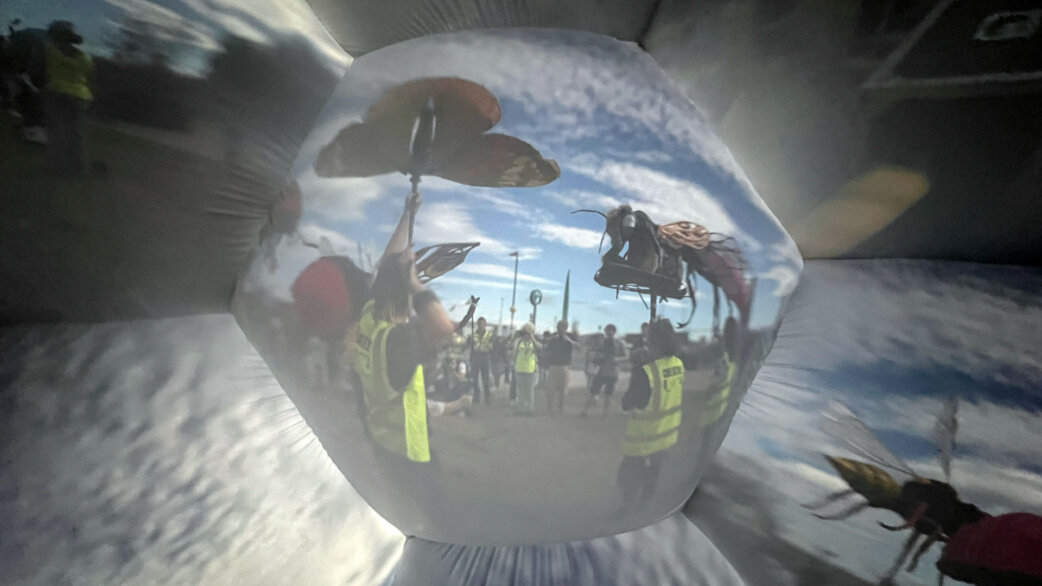
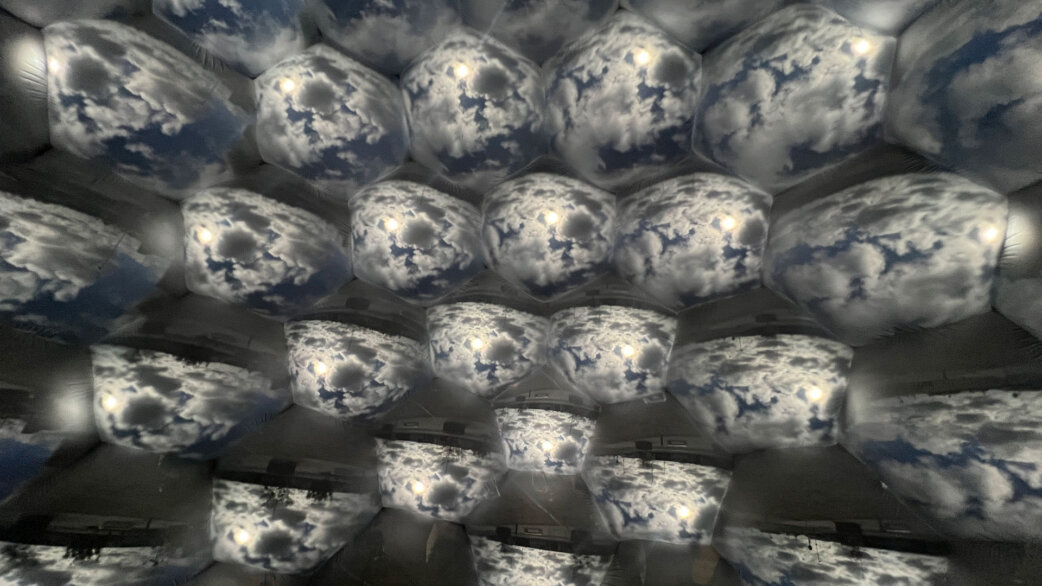
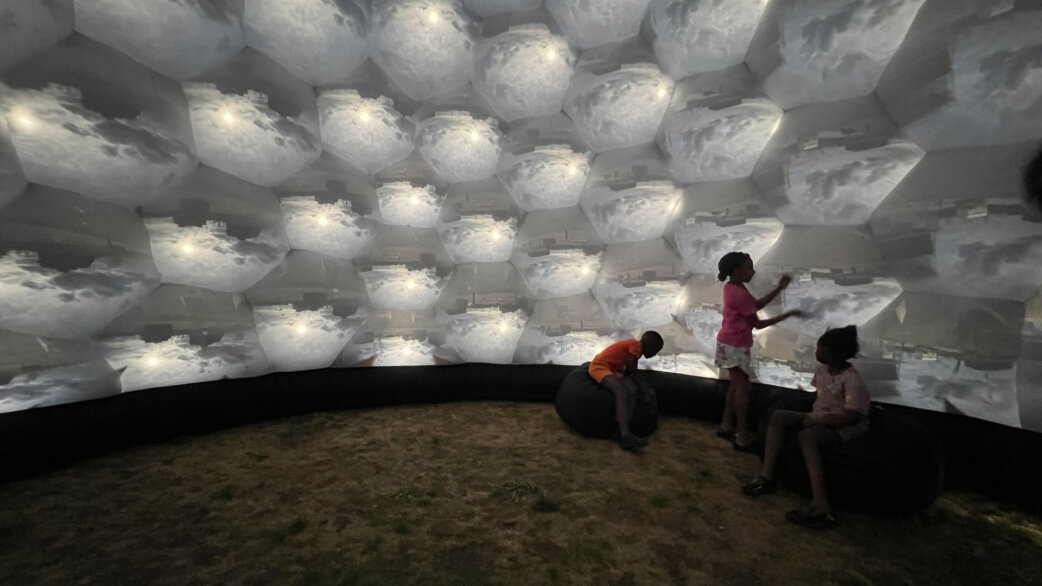
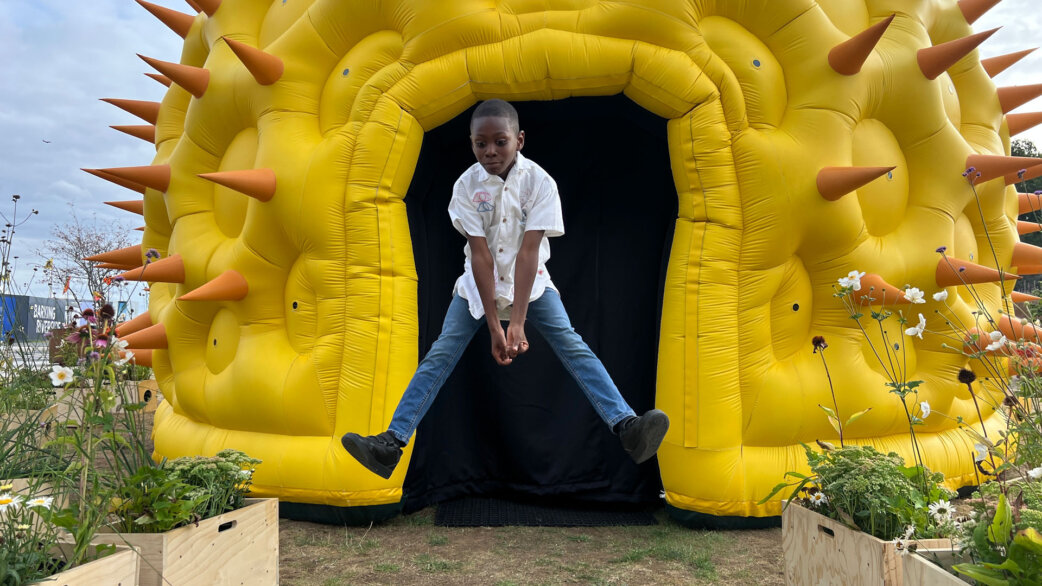
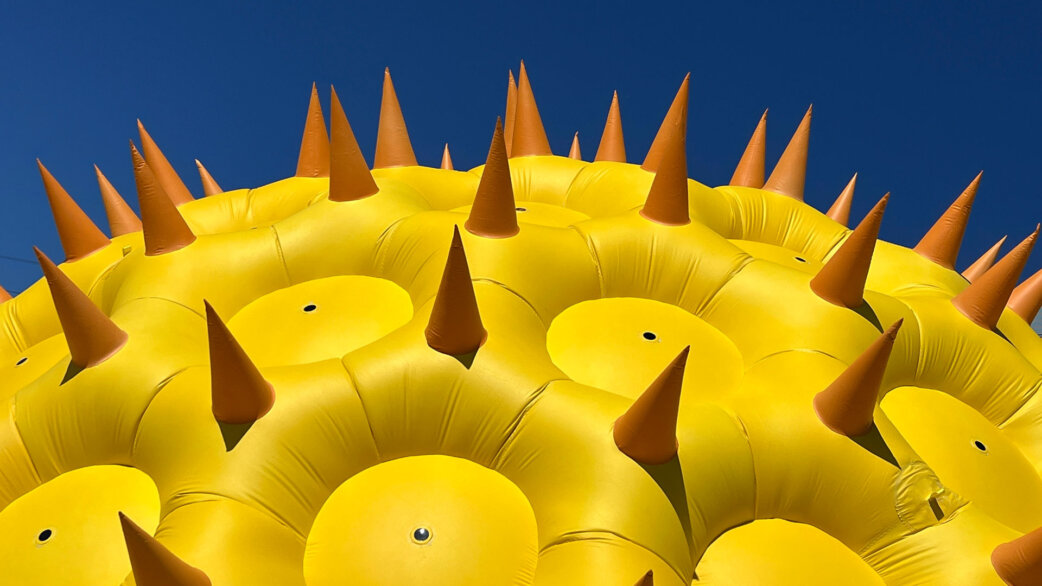
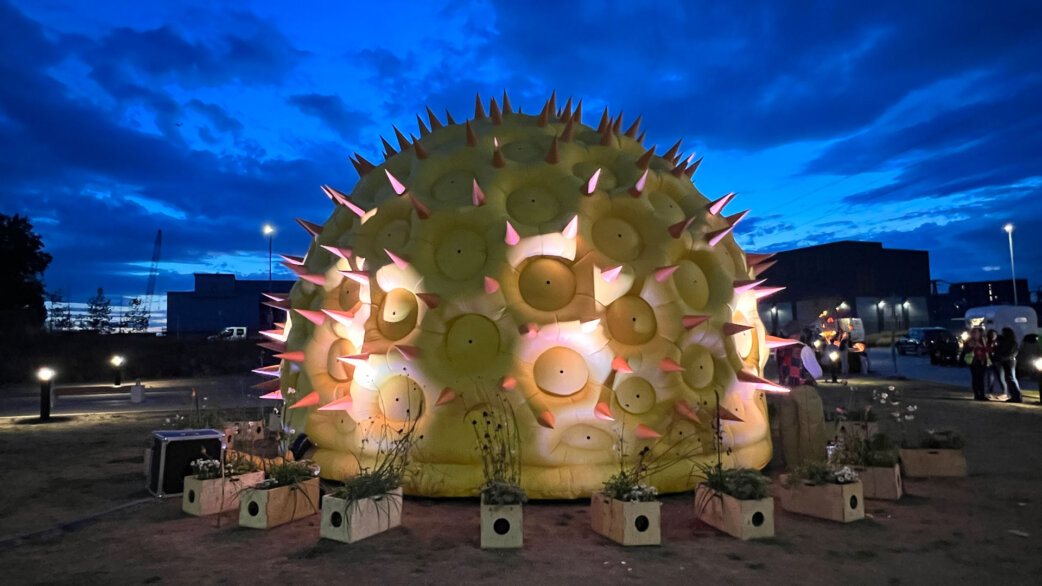
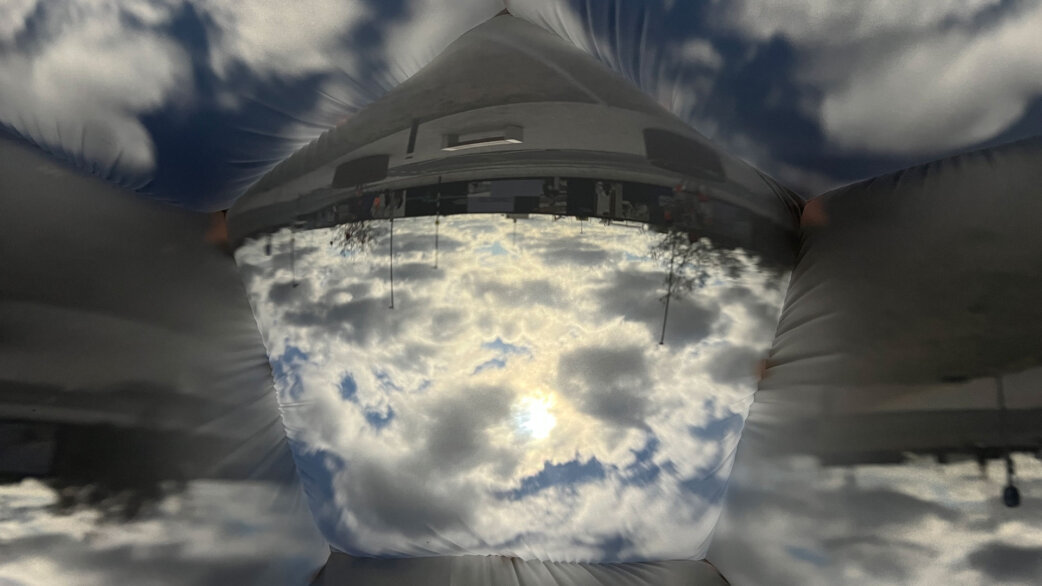
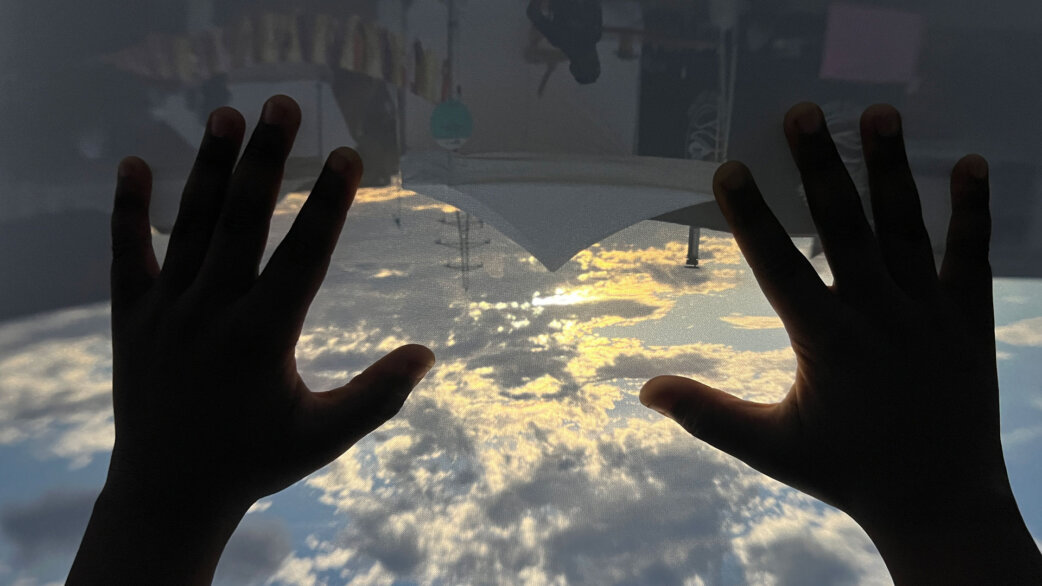
Visitors enter a 7-metre-diameter giant pollen grain, its surface covered with more than 100 glass lenses. Each lens focuses light from the surrounding landscape and projects it onto the dome’s inner surface, creating a mosaic of images that surrounds the viewer. The effect mimics the way many insects perceive the world through the multiple lenses of their compound eyes.
“The experience might be like entering a bee’s brain and seeing the world through their eyes.” – Luke Jerram
There are no projectors involved. Each lens works as a camera obscura, with daylight passing through a lens to create an inverted image within Pollenarium.
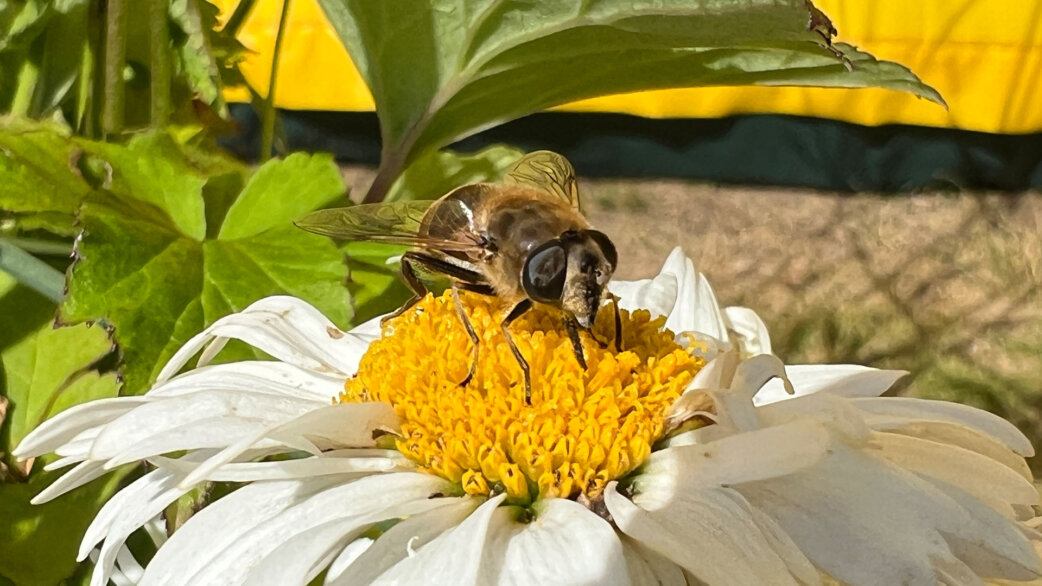
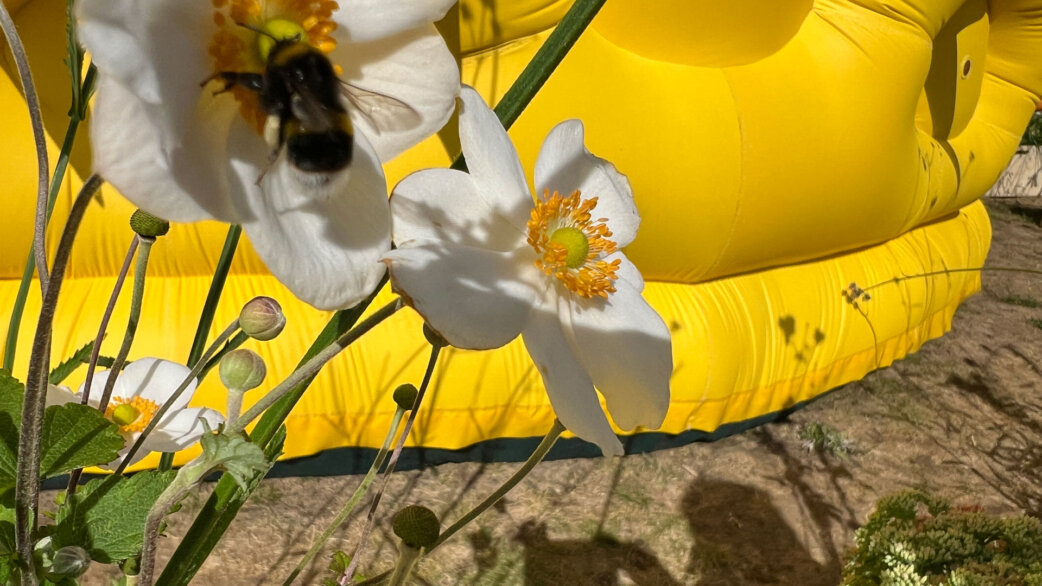
Alongside offering visitors this unique experience, the installation raises awareness of the vital role insects play in pollination and the health of our planet. In the UK, insect populations have undergone dramatic long-term declines, with flying insect abundance falling by nearly 60% in less than 20 years. This loss threatens entire ecosystems and puts the pollination of up to a third of our food crops at risk. With insects at the base of the food chain the decline has also helped cause the massive decline in bird numbers.
We urgently need to turn this around by reducing the use of pesticides, rewilding land and allowing nature and insect populations to recover.
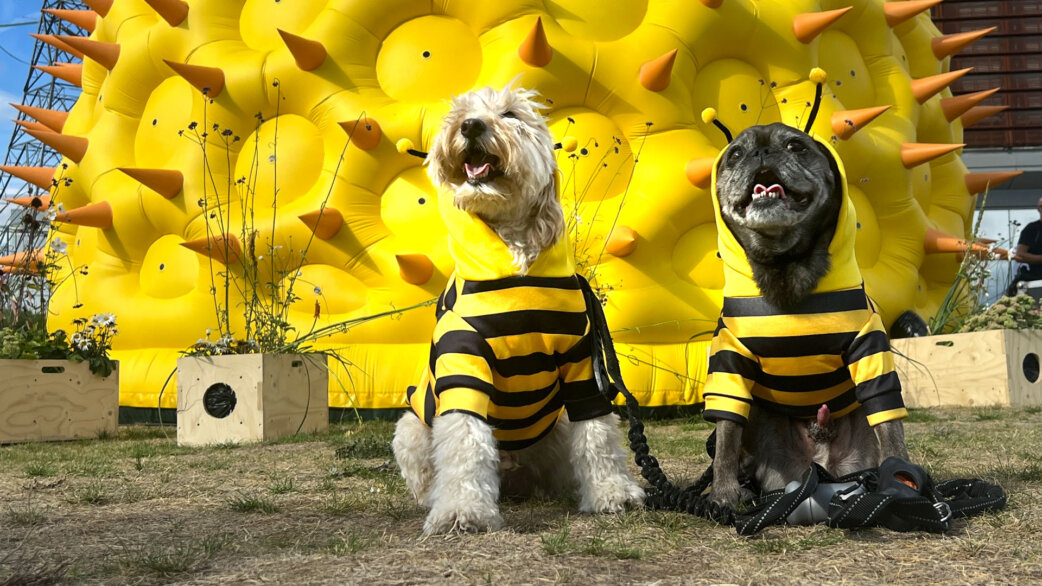
Outside Pollenarium educational and creative workshops will take place, highlighting the importance of biodiversity, restoring nature and promoting ways we can preserve the environment.
Pollenarium has been created by UK artist Luke Jerram and US based art collective Pneuhau
Educational Resources
Read the Natural History Museum news story about the causes of wildlife loss.
Read about the effects of pesticides to both wildlife and human health.
Ways to take action
Grow flowering plants and make bug friendly spaces in our gardens allowing for wildlife to return.
Support ban of use of Neonicotinoid pesticides in the UK and stop using all pesticides domestically.
With thanks to:
Acre Landscapes – for flowers and planting in Barking!
Structural analysis by Structural Solutions ltd.
Exhibitions:
Emerge East, Barking Riverside, London, 12 September 2026. 1,600 visitors into Pollenarium in one day!
University of Bristol, University Square, Temple Quarter, Bristol, 10 October 2026
Press:
The Guardian photo of the day
The Guardian read
The Guardian image of the week


